---
title: "Ditch the Lifts: A Guide to Backcountry Skiing in Bozeman"
description: Discover the best backcountry skiing in Bozeman, from beginner-friendly skin tracks to expert terrain.
image: https://blog.visit-bozeman.com/hubfs/Backcountry%20Skiing%20in%20Bozeman%2c%20MT.jpg
---
[Bozeman Chamber](https://bozemanchamber.com/)
[](https://visit-bozeman.com/)
[Stay](https://visit-bozeman.com/lodging-in-bozeman)
[Eat](https://visit-bozeman.com/restaurants-in-bozeman)
[Play](https://visit-bozeman.com/play-in-bozeman)
[Outdoors](https://visit-bozeman.com/outdoors)
[Hiking](https://visit-bozeman.com/outdoors/hiking) [Rodeos](https://visit-bozeman.com/outdoors/rodeos) [Yellowstone](https://visit-bozeman.com/outdoors/yellowstone) [Skiing + Snowboarding](https://visit-bozeman.com/outdoors/skiing-snowboarding) [Hot Springs](https://blog.visit-bozeman.com/blog/hot-springs-near-bozeman-montana) [Mountain Biking](https://blog.visit-bozeman.com/blog/top-10-mountain-biking-trails-in-bozeman) [Rafting + Floating](https://visit-bozeman.com/outdoors/rafting-floating) [Hunting + Fishing](https://visit-bozeman.com/outdoors/fishing-hunting)
[Plan](https://visit-bozeman.com/plan)
[Itineraries + Guides](https://visit-bozeman.com/plan/itineraries-guides) [Travel Blog](https://blog.visit-bozeman.com/blog) [Event Calendar](https://visit-bozeman.com/plan/events) [Plan a Meeting or Event](https://visit-bozeman.com/plan/meetings-events) [Sports Facility Guide](https://visit-bozeman.com/sports-facility-guide) [Getting Around](https://visit-bozeman.com/plan/getting-around) [Weddings](https://visit-bozeman.com/plan/weddings)
[](https://visit-bozeman.com/)
[Stay](https://visit-bozeman.com/lodging-in-bozeman)
[Eat](https://visit-bozeman.com/restaurants-in-bozeman)
[Play](https://visit-bozeman.com/play-in-bozeman)
Outdoors +
[All Outdoors](https://visit-bozeman.com/outdoors) [Hiking](https://visit-bozeman.com/outdoors/hiking) [Rodeos](https://visit-bozeman.com/outdoors/rodeos) [Yellowstone](https://visit-bozeman.com/outdoors/yellowstone) [Skiing + Snowboarding](https://visit-bozeman.com/outdoors/skiing-snowboarding) [Hot Springs](https://blog.visit-bozeman.com/blog/hot-springs-near-bozeman-montana) [Mountain Biking](https://blog.visit-bozeman.com/blog/top-10-mountain-biking-trails-in-bozeman) [Rafting + Floating](https://visit-bozeman.com/outdoors/rafting-floating) [Hunting + Fishing](https://visit-bozeman.com/outdoors/fishing-hunting)
Plan +
[All Planning Resources](https://visit-bozeman.com/plan) [Itineraries + Guides](https://visit-bozeman.com/plan/itineraries-guides) [Travel Blog](https://blog.visit-bozeman.com/blog) [Event Calendar](https://visit-bozeman.com/plan/events) [Plan a Meeting or Event](https://visit-bozeman.com/plan/meetings-events) [Getting Around](https://visit-bozeman.com/plan/getting-around) [Weddings](https://visit-bozeman.com/plan/weddings)
# Ditch the Lifts: A Guide to Backcountry Skiing in Bozeman
Written by [Kelsey Frey](https://blog.visit-bozeman.com/blog/author/kelsey-frey)
Updated on January 21, 2026
**Key Takeaways**
- Backcountry skiing in Bozeman requires [**specialized gear**](https://blog.visit-bozeman.com/blog/backcountry-skiing#Gear) including touring bindings, climbing skins, and avalanche safety equipment (beacon, probe, shovel, and avalanche airbags).
- Cell service is nonexistent in most backcountry areas, so **[download OnX Backcountry](https://blog.visit-bozeman.com/blog/backcountry-skiing#Cell-service)** for navigation and check the **[Gallatin National Forest Avalanche Center and NOAA weather](https://blog.visit-bozeman.com/blog/backcountry-skiing#Cell-service)** before every outing.
- Take an **[avalanche course](https://blog.visit-bozeman.com/blog/backcountry-skiing#Guide)** and consider **[hiring a guide](https://blog.visit-bozeman.com/blog/backcountry-skiing#Guide)** if you're new to the backcountry.
- Popular **[backcountry skiing spots](https://blog.visit-bozeman.com/blog/backcountry-skiing#Backcountry-spots)** in Bozeman include everything from the beginner-friendly Bear Canyon to steep chutes in the Bridger Range, with terrain accessible for all skill levels.
- The **[best season](https://blog.visit-bozeman.com/blog/backcountry-skiing#When-to-go)** runs December through April, with January and February delivering the most consistent powder, though you can skin Bridger Bowl's terrain during shoulder seasons in November and late April.
So you want to ditch the lift lines and earn your turns? Welcome to the club. Backcountry skiing in Bozeman isn't just a weekend hobby here; it's practically a religion.
If you're new to the term, backcountry skiing means venturing into unpatrolled mountain terrain under your own power, typically using skins attached to your skis that let you hike uphill before skiing back down. Think of it as hiking meets skiing, minus the chairlifts and plus a whole lot of untouched powder.With [multiple mountain ranges in Bozeman’s backyard](https://blog.visit-bozeman.com/blog/four-magnificent-mountain-ranges-surrounding-bozeman-montana), you’ll have access to terrain that rivals anywhere in North America, often starting just minutes from town.
This guide will help you figure out where to go and how to stay safe while exploring some of the best powder stashes in Montana.
[| Visiting soon? [Download the FREE Bozeman Travel Guide to help you plan your trip.](https://blog.visit-bozeman.com/the-bozeman-travel-relocation-guide?__hstc=104787103.9fc8a678d542d7d828c69f818dfd0cce.1756939340330.1765405886065.1765492738856.60&__hssc=104787103.4.1765492738856&__hsfp=2819208119&_gl=1*1ak1bn7*_gcl_au*MTYyNzI0MjUwNi4xNzY0ODU0MjAx*_ga*MTkxNTE5OTk4Ni4xNzU2OTM5MzM5*_ga_Z2GJDSBQPY*czE3NjU0OTI3Mzckbzc1JGcxJHQxNzY1NDkzMjYwJGo2MCRsMCRoMTczMDk4NzA0NQ..&_ga=2.194961453.1626211032.1765492738-1915199986.1756939339) | | --- |](https://blog.visit-bozeman.com/the-bozeman-travel-relocation-guide)
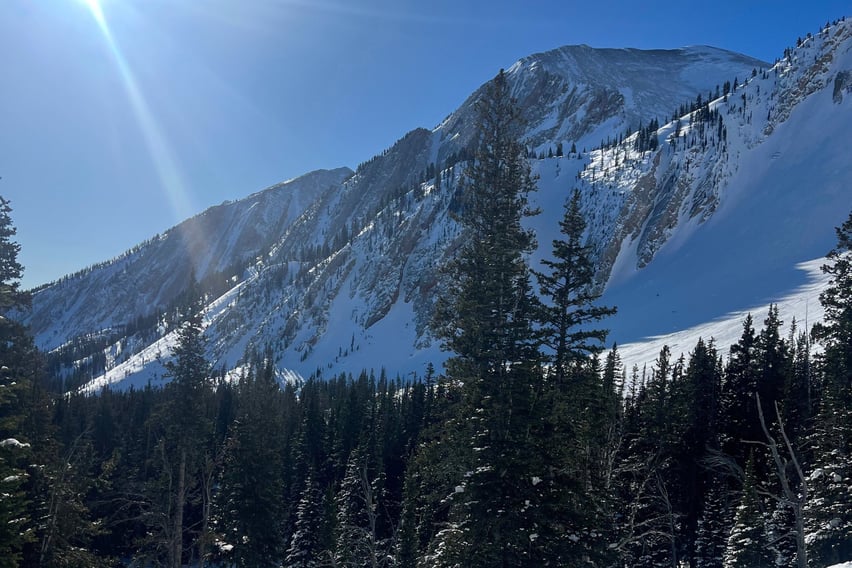
.jpg?width=852&height=568&name=Backcountry%20Skiing%20in%20Bozeman%20(Hyalite%20Canyon).jpg)
## Gear, Safety, and Education
Before you even think about skinning up your first peak, let's talk gear. Backcountry skiing requires specialized equipment, starting with bindings that allow your heel to lift freely for climbing, then lock down for the descent. You'll also need climbing skins, which are strips of fabric with directional fibers that attach to the bottom of your skis, gripping the snow on the way up and peeling off when you're ready to ski down.
While some people use their regular alpine skis with touring bindings, dedicated backcountry skis are typically lighter and wider to handle variable snow conditions. Boots need to be compatible with your bindings and offer both uphill mobility and downhill performance.
The holy trinity of avalanche safety equipment is non-negotiable: beacon, probe, and shovel. Make sure you know how to use them too, preferably through avalanche courses. You should also carry an avalanche airbag pack, which inflates if you're caught in a slide to help keep you near the surface. Other essentials include extra layers, water, snacks, and a first aid kit.
Cell service is essentially nonexistent in most backcountry zones around Bozeman, so download maps and navigation apps before you leave town. Better yet, carry a satellite communication device like a satellite phone or use the satellite features on newer iPhones to stay connected in emergencies. [OnX Backcountry](https://www.onxmaps.com/backcountry/app) is a great app for navigation, offering detailed topographic maps, the ability to track your route offline, and more.
Check the [Gallatin National Forest Avalanche Center](https://www.mtavalanche.com/) every day before you go out. What was safe yesterday might not be the case today. Always share your plans with someone back home and ski with a buddy. The [National Oceanic and Atmospheric Administration (NOAA)'s weather forecast](https://www.noaa.gov/weather) is typically pretty accurate.
Local guide services like [Montana Alpine Guides](https://www.mtalpine.com/backcountry-skiing-riding) know the terrain well and can show you the ropes while keeping you safe. If you’re newer to backcountry skiing, they're also invaluable for learning how to read terrain, assess snow conditions, and make good decisions in the field. The company also offers an in-person [Level 1 Avalanche Course](https://www.mtalpine.com/level-1-avalanche), along with a [Level 1 Avalanche Online Refresher Course](https://www.mtalpine.com/level-1-avalanche-online-refresher-course).
## 
## Best Spots for Backcountry Skiing in Bozeman
### Bear Canyon
Drive time from downtown Bozeman: 15 minutes
Bear Canyon is as beginner-friendly as backcountry skiing in Bozeman gets. This is an old ski hill, which means you literally pull up to the parking lot, skin up the open slope, and ski back down. No complicated navigation, no tree skiing, no commitment. It's the perfect spot to test your gear, practice your skinning technique, and get a feel for what backcountry skiing is all about before venturing into more complex terrain.
### Mt. Ellis
Drive time from downtown Bozeman: 15 minutes
Mt. Ellis is accessed from the same Bear Canyon trailhead, but this is where things get serious. The terrain here is expert-level with quality tree skiing that demands solid backcountry skills and strong legs. If you're comfortable in steep, wooded terrain and looking for a challenge close to town, Mt. Ellis delivers the goods.
### Bridger Bowl
Drive time from downtown Bozeman: 25 minutes
Bridger Bowl becomes an entirely different experience before and after the ski season. Early season (November to early December) and late season (April onwards) offer the chance to skin the resort's terrain without the lift ticket price. Bradley Meadows is another popular nearby location that can only be accessed before Bridger Bowl opens for the season and after they close because you have to go on their property to access it.
*Important: Do NOT trespass on Bridger Bowl property during the operating season. The resort patrols its boundaries, and you will get caught.*
### Texas Meadows
Drive time from downtown Bozeman: 25 minutes
Texas Meadows is accessed from Bracket Creek Road (although it is also accessible via Bridger Bowl, this is only possible outside of their operating season unless you have a pass) and makes for a great half-day mission. The zone offers diverse terrain, from gentle meadows to steeper shots, with views of Ross Peak and Sacajawea.
### Hyalite Canyon
Drive time from downtown Bozeman: 30 minutes
Hyalite is a very popular backcountry zone for good reason. The drainage offers everything from beginner skin tracks to legitimate steep skiing. History Rock and Lick Creek are both low-angle and easily accessible, while Mt. Blackmore is another popular option for steeper descents. Prepare for company on powder days, but there's enough terrain that you can usually find your own line.
### Beehive Basin
Drive time from downtown Bozeman: 1 hour, 15 minutes
Beehive Basin, located on the way to Big Sky, offers stunning scenery and a variety of terrain tucked below the Spanish Peaks. The basin provides both wide-open bowls and protected tree runs. It's about an hour from Bozeman, making it a worthwhile mission when you want to explore beyond the immediate zones. Just be prepared for the approach, which can feel long when you're breaking trail.
*Prefer to hit Bridger when the lifts are running? Check out [everything you need to know about skiing at Bridger Bowl](https://blog.visit-bozeman.com/blog/skiing-at-bridger-bowl) this year!*
-1.jpg?width=852&height=568&name=Backcountry%20Skiing%20in%20Bozeman%20(Hyalite%20Canyon)-1.jpg)
## When to Go Backcountry Skiing in Bozeman
The season typically runs from December through April, with January and February offering the most consistent cold smoke powder. March brings longer days and corn snow potential, while April can still deliver storms.
The backcountry around Bozeman delivers an experience you won't forget. Just remember: respect the mountains, invest in the right knowledge and equipment, and you'll understand why people keep coming back winter after winter.
[](https://hubspot-cta-redirect-na2-prod.s3.amazonaws.com/cta/redirect/2335650/c1736277-ca54-40af-9f44-6248b8e813f4)
***If you enjoyed this blog, take a look at some of our other related articles:***
- [Bozeman's Ski Area Comparison: Bridger Bowl and Big Sky](https://blog.visit-bozeman.com/blog/bozemans-ski-area-comparison-bridger-bowl-and-big-sky)
- [A Beginner's Guide to Skiing in Bozeman](https://blog.visit-bozeman.com/blog/beginner-guide-skiing-bozeman)
- [7 Tips for Planning the Ski Trip of a Lifetime](https://blog.visit-bozeman.com/blog/7-tips-for-planning-a-ski-trip-of-a-lifetime)
[](https://hubspot-cta-redirect-na2-prod.s3.amazonaws.com/cta/redirect/2335650/c2544b14-8e95-448f-bddf-31b985541b75)
Spread the word:
[Share this blog post on Twitter](https://twitter.com/intent/tweet?text=I+found+this+interesting+blog+post&url=https://blog.visit-bozeman.com/blog/backcountry-skiing) [Share this blog post on Facebook](http://www.facebook.com/share.php?u=https://blog.visit-bozeman.com/blog/backcountry-skiing) [Share this blog post on LinkedIn](http://www.linkedin.com/shareArticle?mini=true&url=https://blog.visit-bozeman.com/blog/backcountry-skiing)
#### Kelsey Frey
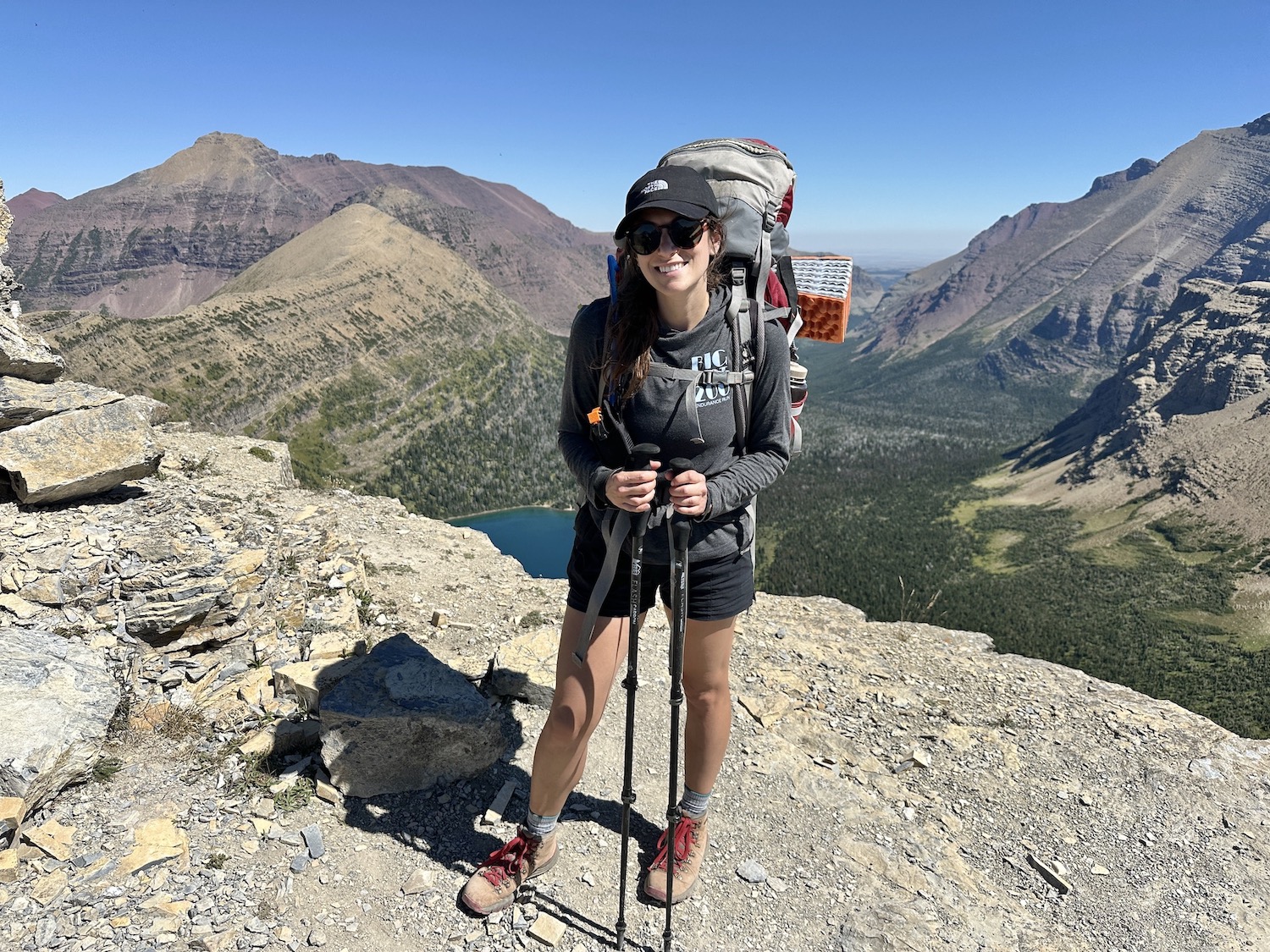
Kelsey Frey is the Content Marketing Specialist for Visit Bozeman, and has been writing about her favorite mountain town since 2024. She moved to Bozeman in 2022 with plans to stay just three months, but quickly fell in love with the Gallatin Valley and never left. When she's not writing articles, you'll find her hiking, backpacking, birding, searching for wildflowers, and capturing the beauty of Southwest Montana through her camera lens.
## RELATED ARTICLES
[](https://blog.visit-bozeman.com/blog/bridger-ski-foundation-inspiring-a-lifelong-love-of-skiing)
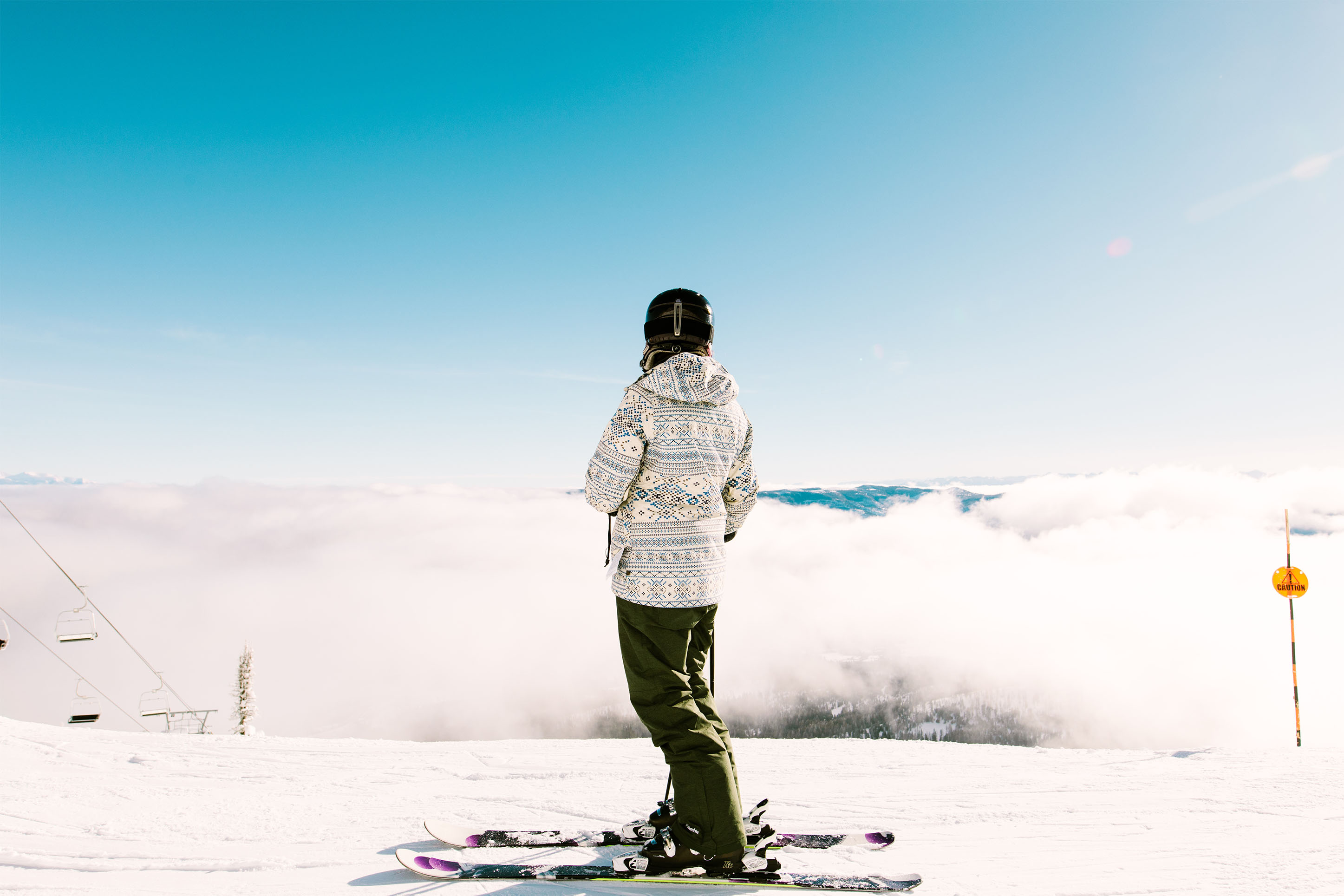
### [Bridger Ski Foundation; Inspiring a Lifelong Love of Skiing](https://blog.visit-bozeman.com/blog/bridger-ski-foundation-inspiring-a-lifelong-love-of-skiing)
[](https://blog.visit-bozeman.com/blog/bridger-bowl-family-friendly-and-kid-approved)
### [Bridger Bowl: Family Friendly and Kid Approved](https://blog.visit-bozeman.com/blog/bridger-bowl-family-friendly-and-kid-approved)
[](https://blog.visit-bozeman.com/blog/the-best-ways-to-get-to-bridger-bowl-from-bozeman)
### [The Best Ways to Get to Bridger Bowl from Bozeman](https://blog.visit-bozeman.com/blog/the-best-ways-to-get-to-bridger-bowl-from-bozeman)
[About BZN](https://visit-bozeman.com/about-visit-bozeman) [Contact BZN](https://visit-bozeman.com/contact) [TBID Grant](https://visit-bozeman.com/tbid-grant) [Tourism Resources](https://visit-bozeman.com/tourism-resources) [Relocation Guide](https://blog.visit-bozeman.com/bozeman-relocation-guide) [Media BZN](https://visit-bozeman.com/media) [Privacy Policy](https://visit-bozeman.com/privacy-policy)
[](https://visit-bozeman.com/)
© 2026 Visit Bozeman | Site Designed & Developed By: [*PRIME*](https://primebzn.com/)