---
title: "How to Get from Bozeman to Big Sky: Your Guide to One of the Most Scenic Drives in Montana"
description: Planning your trip from Bozeman to Big Sky? Get the inside scoop on the 45-mile scenic drive through Gallatin Canyon, plus stops and tips along the way.
image: https://blog.visit-bozeman.com/hubfs/Gallatin%20Canyon.jpg
---
[Book Your Stay](https://stay.visit-bozeman.com/)
[Bozeman Chamber](https://bozemanchamber.com/)
[](https://visit-bozeman.com/)
[Stay](https://visit-bozeman.com/lodging-in-bozeman)
[Eat](https://visit-bozeman.com/restaurants-in-bozeman)
[Play](https://visit-bozeman.com/play-in-bozeman)
[Outdoors](https://visit-bozeman.com/outdoors)
[Hiking](https://visit-bozeman.com/outdoors/hiking) [Rodeos](https://visit-bozeman.com/outdoors/rodeos) [Yellowstone](https://visit-bozeman.com/outdoors/yellowstone) [Skiing + Snowboarding](https://visit-bozeman.com/outdoors/skiing-snowboarding) [Hot Springs](https://blog.visit-bozeman.com/blog/hot-springs-near-bozeman-montana) [Mountain Biking](https://blog.visit-bozeman.com/blog/top-10-mountain-biking-trails-in-bozeman) [Rafting + Floating](https://visit-bozeman.com/outdoors/rafting-floating) [Hunting + Fishing](https://visit-bozeman.com/outdoors/fishing-hunting)
[Plan](https://visit-bozeman.com/plan)
[Itineraries + Guides](https://visit-bozeman.com/plan/itineraries-guides) [Travel Blog](https://blog.visit-bozeman.com/blog) [Event Calendar](https://visit-bozeman.com/plan/events) [Plan a Meeting or Event](https://visit-bozeman.com/plan/meetings-events) [Sports Facility Guide](https://visit-bozeman.com/sports-facility-guide) [Getting Around](https://visit-bozeman.com/plan/getting-around) [Weddings](https://visit-bozeman.com/plan/weddings)
[](https://visit-bozeman.com/)
[Stay](https://visit-bozeman.com/lodging-in-bozeman)
[Eat](https://visit-bozeman.com/restaurants-in-bozeman)
[Play](https://visit-bozeman.com/play-in-bozeman)
Outdoors +
[All Outdoors](https://visit-bozeman.com/outdoors) [Hiking](https://visit-bozeman.com/outdoors/hiking) [Rodeos](https://visit-bozeman.com/outdoors/rodeos) [Yellowstone](https://visit-bozeman.com/outdoors/yellowstone) [Skiing + Snowboarding](https://visit-bozeman.com/outdoors/skiing-snowboarding) [Hot Springs](https://blog.visit-bozeman.com/blog/hot-springs-near-bozeman-montana) [Mountain Biking](https://blog.visit-bozeman.com/blog/top-10-mountain-biking-trails-in-bozeman) [Rafting + Floating](https://visit-bozeman.com/outdoors/rafting-floating) [Hunting + Fishing](https://visit-bozeman.com/outdoors/fishing-hunting)
Plan +
[All Planning Resources](https://visit-bozeman.com/plan) [Itineraries + Guides](https://visit-bozeman.com/plan/itineraries-guides) [Travel Blog](https://blog.visit-bozeman.com/blog) [Event Calendar](https://visit-bozeman.com/plan/events) [Plan a Meeting or Event](https://visit-bozeman.com/plan/meetings-events) [Getting Around](https://visit-bozeman.com/plan/getting-around) [Weddings](https://visit-bozeman.com/plan/weddings)
# How to Get from Bozeman to Big Sky: Your Guide to One of the Most Scenic Drives in Montana
Written by [Kelsey Frey](https://blog.visit-bozeman.com/blog/author/kelsey-frey)
Updated on February 18, 2026
**Key Takeaways**
- The **[drive from Bozeman to Big Sky](https://blog.visit-bozeman.com/blog/bozeman-to-big-sky#Big-Sky-Drive)** takes about an hour, covering 45 miles south on Highway 191 through Gallatin Canyon before turning onto Big Sky Resort Road.
- The route hugs the Gallatin River through a narrow canyon with dramatic cliffs and mountain views, offering **[stops for hiking, whitewater rafting, and river access](https://blog.visit-bozeman.com/blog/bozeman-to-big-sky#Gallatin-Canyon-Things-To-Do)**.
- **[Winter and spring driving](https://blog.visit-bozeman.com/blog/bozeman-to-big-sky#Seasonal-Considerations)** requires chains or all-wheel drive due to snow and ice, with conditions that can be challenging from November through May.
- **[Getting to Big Sky without a car](https://blog.visit-bozeman.com/blog/bozeman-to-big-sky#Getting-To-Big-Sky-No-Car)** is easy – The Skyline Bus runs between Bozeman and Big Sky for $5 if you don't want to drive, with private shuttles available for more convenience.
- **[Bozeman makes an ideal base](https://blog.visit-bozeman.com/blog/bozeman-to-big-sky#Bozeman-Base)** for day trips to Big Sky, offering more dining and entertainment options while positioning you perfectly for exploring the region.
Getting from Bozeman to Big Sky is refreshingly simple. Head south on Highway 191 through Gallatin Canyon, and follow the Gallatin River for about 45 miles. At mile marker 48, turn right onto MT-64 (Big Sky Resort Road) for the final nine-mile climb to the mountain villages.
The entire drive takes about an hour in good conditions, though you'll want to pad that time in winter or if you're the type who can't resist a good photo op (and trust us, there will be many).
Many people make this drive to [ski or snowboard at Big Sky Resort](https://visit-bozeman.com/itinerary/skiing-big-sky-resort) in winter, but there's plenty to draw you from Bozeman to Big Sky year-round: hiking trails, the town of Big Sky itself with its shops and restaurants, mountain biking, or riding the Lone Peak Tram for views that stretch across three states.
| Visiting soon? [Download the FREE Bozeman Travel Guide to help you plan your trip.](https://blog.visit-bozeman.com/the-bozeman-travel-relocation-guide?__hstc=104787103.9fc8a678d542d7d828c69f818dfd0cce.1756939340330.1765405886065.1765492738856.60&__hssc=104787103.4.1765492738856&__hsfp=2819208119&_gl=1*1ak1bn7*_gcl_au*MTYyNzI0MjUwNi4xNzY0ODU0MjAx*_ga*MTkxNTE5OTk4Ni4xNzU2OTM5MzM5*_ga_Z2GJDSBQPY*czE3NjU0OTI3Mzckbzc1JGcxJHQxNzY1NDkzMjYwJGo2MCRsMCRoMTczMDk4NzA0NQ..&_ga=2.194961453.1626211032.1765492738-1915199986.1756939339) |
| --- |
## Things to Do and See Along the Way
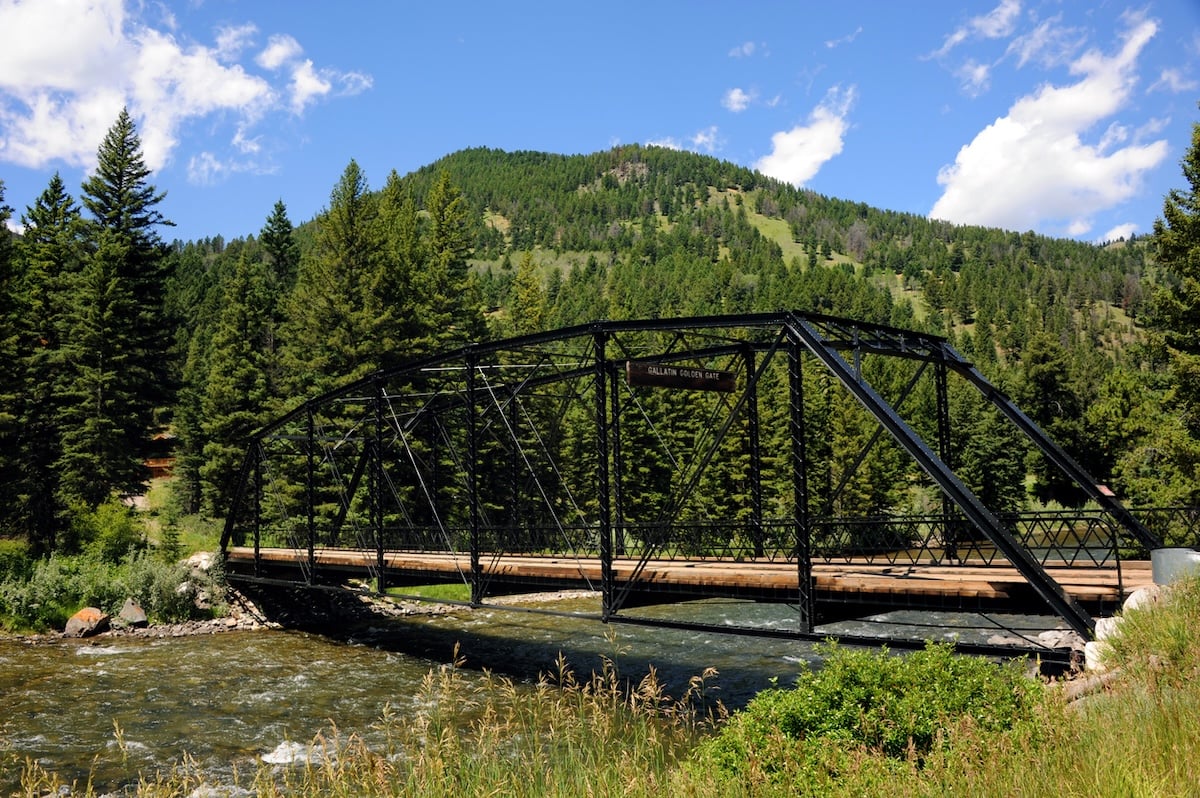
Getting from Bozeman to Big Sky isn’t just about transportation; it's part of the experience. The road hugs the Gallatin River the entire way, winding through a narrow canyon flanked by the Madison and Gallatin mountain ranges. You'll pass dramatic cliffs, riverside meadows, and groves of evergreen trees that change character with the seasons.
Some of the fishing scenes from "A River Runs Through It" were filmed along the Gallatin River, which should tell you something about the scenery. Keep your eyes peeled for fly fishermen casting into the river, kayakers navigating rapids, and if you're lucky, wildlife like elk, eagles, moose, and bighorn sheep.
Notable stops and activities along the way include:
- [**Lava Lake**](https://www.alltrails.com/trail/us/montana/lava-lake-cascade-creek-trail) **or** [**Storm Castle**](https://www.alltrails.com/trail/us/montana/storm-castle-peak)**Trailheads:** These two hikes earn their popularity. Lava Lake leads to an alpine lake tucked into the mountains, while Storm Castle rewards the climb with sweeping views of Gallatin Canyon and the valley stretching below.
- [**Whitewater Rafting**](https://montanawhitewater.com/whitewater-montana-rafting/gallatin-river-whitewater-rafting/)**:** Summer brings rafting companies to the Gallatin River, running trips through the canyon's rapids. It's a way to see the scenery from a completely different angle, preferably while getting soaked.
- **River Access Points:** Pullouts dot the highway where you'll find fly fishermen working the river year-round and swimmers cooling off in summer. These spots make for easy stops to stretch your legs or get closer to the water. Just remember that the Gallatin is a fast, cold river, so keep safety in mind if you're getting in the water.
## 
## Seasonal Considerations
Summer and fall offer the easiest driving conditions from Bozeman to Big Sky. The road is clear, views are unobstructed, and you can take your time exploring pullouts and trailheads.
Winter is a different story. This is a mountain road, and it gets the weather to prove it. Snow, ice, and reduced visibility are common from November through March. Spring can surprise you with late snowstorms even into May, so check the forecast before you go.
Carry chains or have all-wheel drive during the winter and spring months. Montana law requires this equipment during certain conditions, and for good reason.
## Getting From Bozeman to Big Sky Without a Car
The [Skyline Bus](https://skylinebus.com/routes) operates between Bozeman and Big Sky's Town Center. Tickets are $5, and the journey takes about an hour and a half. It's not fancy, but it's reliable and budget-friendly.
[Private shuttle services](https://www.karststage.com/) offer door-to-door pickup from Bozeman Yellowstone International Airport or downtown hotels. They're pricier than the bus but more convenient, especially if you're hauling ski gear or arriving on a flight that doesn't align with bus schedules.
## Before You Go
Fill up on gas in Bozeman. There are stations along Highway 191, but they're sparse and often more expensive. Same goes for snacks and drinks.
Download your music or podcasts ahead of time. Cell service in Gallatin Canyon is spotty at best, nonexistent in many stretches.
Pack layers. Mountain weather changes fast, and what feels balmy in Bozeman might be 15 degrees colder in Big Sky.
## Why Bozeman Makes the Perfect Base
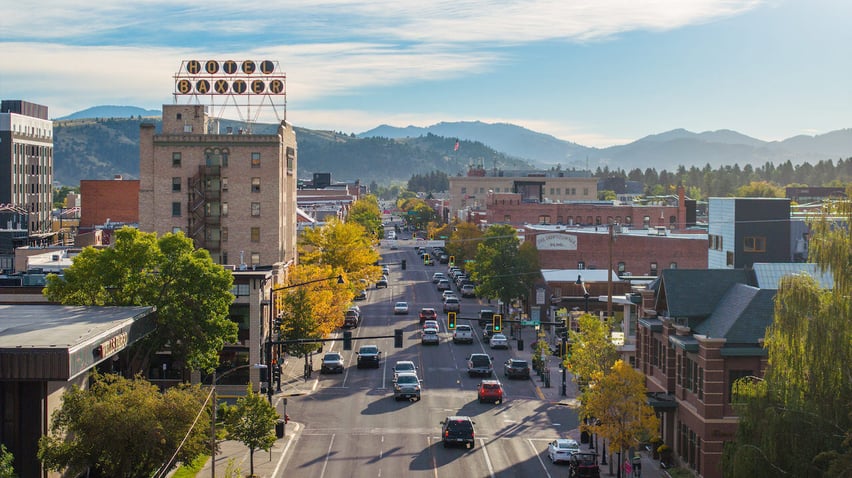
Many visitors base themselves in Bozeman and day-trip to Big Sky, and it's easy to see why. Bozeman offers more [dining options](https://visit-bozeman.com/restaurants-in-bozeman?_gl=1*gkpcjt*_ga*NTk1MTg0MDEzLjE3Njk5OTk3OTQ.*_ga_Z2GJDSBQPY*czE3NzA4MzQyODIkbzQkZzEkdDE3NzA4MzUwNzEkajQwJGwwJGgxMzMwNDE1OTA0*_gcl_au*MTgzMTgzMDQzOS4xNzY5OTk5Nzk0), [breweries](https://blog.visit-bozeman.com/blog/best-breweries-in-bozeman-montana), [coffee shops](https://visit-bozeman.com/restaurants-in-bozeman?category=coffee-shops), and that college-town energy that keeps things interesting after the ski lifts close. Plus, you're positioned perfectly for [day trips to Yellowstone](https://blog.visit-bozeman.com/blog/plan-the-perfect-day-trip-to-yellowstone-national-park-from-bozeman), [Bridger Bowl](https://blog.visit-bozeman.com/blog/skiing-at-bridger-bowl), or any of the [hiking](https://blog.visit-bozeman.com/blog/10-best-hikes-in-bozeman) and [fly fishing spots](https://blog.visit-bozeman.com/blog/4-spots-to-go-fly-fishing-in-bozeman) that make this area famous. Planning a ski trip? Check out our complete [guide to a ski vacation in Bozeman](https://blog.visit-bozeman.com/blog/bozeman-ski-vacation-guide).
The drive from Bozeman to Big Sky isn't just a means to an end. It's an introduction to what makes Montana special: big landscapes, clear rivers, and roads that remind you why you came here in the first place. Take your time, pull over often, and enjoy the ride.
[](https://hubspot-cta-redirect-na2-prod.s3.amazonaws.com/cta/redirect/2335650/c1736277-ca54-40af-9f44-6248b8e813f4)
Spread the word:
[Share this blog post on Twitter](https://twitter.com/intent/tweet?text=I+found+this+interesting+blog+post&url=https://blog.visit-bozeman.com/blog/bozeman-to-big-sky) [Share this blog post on Facebook](http://www.facebook.com/share.php?u=https://blog.visit-bozeman.com/blog/bozeman-to-big-sky) [Share this blog post on LinkedIn](http://www.linkedin.com/shareArticle?mini=true&url=https://blog.visit-bozeman.com/blog/bozeman-to-big-sky)
#### Kelsey Frey
Kelsey Frey is the Content Marketing Specialist for Visit Bozeman, and has been writing about her favorite mountain town since 2024. She moved to Bozeman in 2022 with plans to stay just three months, but quickly fell in love with the Gallatin Valley and never left. When she's not writing articles, you'll find her hiking, backpacking, birding, searching for wildflowers, and capturing the beauty of Southwest Montana through her camera lens.
## RELATED ARTICLES
[](https://blog.visit-bozeman.com/blog/learning-to-mush-dogsledding-around-bozeman)
### [A Guide to Dog Sledding Near Bozeman, Montana](https://blog.visit-bozeman.com/blog/learning-to-mush-dogsledding-around-bozeman)
[](https://blog.visit-bozeman.com/blog/the-most-amazing-places-to-go-zip-lining-in-bozeman-montana)
### [Where to Go Ziplining Around Bozeman Montana](https://blog.visit-bozeman.com/blog/the-most-amazing-places-to-go-zip-lining-in-bozeman-montana)
[](https://blog.visit-bozeman.com/blog/getting-the-most-out-of-your-trip-to-bozeman-this-fall)
### [Getting The Most Out of Your Trip to Bozeman This Fall](https://blog.visit-bozeman.com/blog/getting-the-most-out-of-your-trip-to-bozeman-this-fall)
[About BZN](https://visit-bozeman.com/about-visit-bozeman) [Contact BZN](https://visit-bozeman.com/contact) [TBID Grant](https://visit-bozeman.com/tbid-grant) [Tourism Resources](https://visit-bozeman.com/tourism-resources) [Relocation Guide](https://blog.visit-bozeman.com/bozeman-relocation-guide) [Media BZN](https://visit-bozeman.com/media) [Privacy Policy](https://visit-bozeman.com/privacy-policy)
[](https://visit-bozeman.com/)
© 2026 Visit Bozeman | Site Designed & Developed By: [*PRIME*](https://primebzn.com/)