Written by
Kelsey Frey
Updated on
So you've made it to Bozeman — mountains, check, huckleberry milkshake, check — but if a raft hasn't entered the picture yet, your Montana summer bucket list is missing its best line item. Let's fix that.
Bozeman whitewater rafting and kayaking are some of the best ways to cool off, get your heart rate up, and understand exactly why everyone told you Big Sky Country was worth the trip. Snowmelt-fed rivers, house-sized boulders, and guides who've been doing this since before you booked your flight — it's all sitting about 30 to 90 minutes from downtown. Floats range from relaxing to thrilling, and there's something for every experience level, making whitewater rafting one of the best activities to do with kids, friends, or anyone interested in an adventure.
Here's everything you need to know.
Why Bozeman Is a Whitewater Basecamp, Not Just a Cute Mountain Town
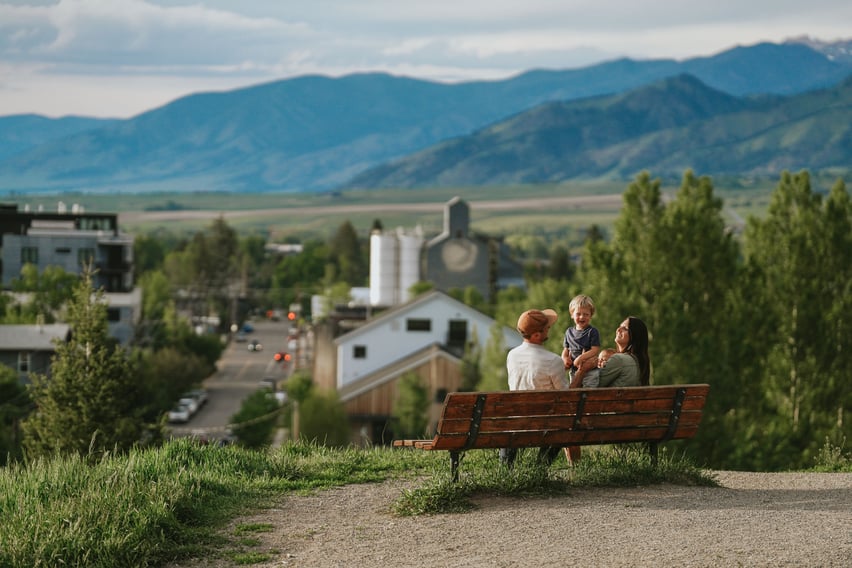
Bozeman sits in the middle of a triangle formed by three famous rivers — the Gallatin, the Madison, and the Yellowstone — all of which drain out of the mountains and, in the Yellowstone's case, straight out of the national park itself.
That means you can wake up in your hotel, grab breakfast downtown, and be paddling Class III–IV whitewater before lunch. Few places let you go from "checking into town" to "screaming through a rapid named after a rock formation" quite this fast.
Where to Go: Bozeman Whitewater Rafting
The Gallatin River: Fast, Scenic, and Wild
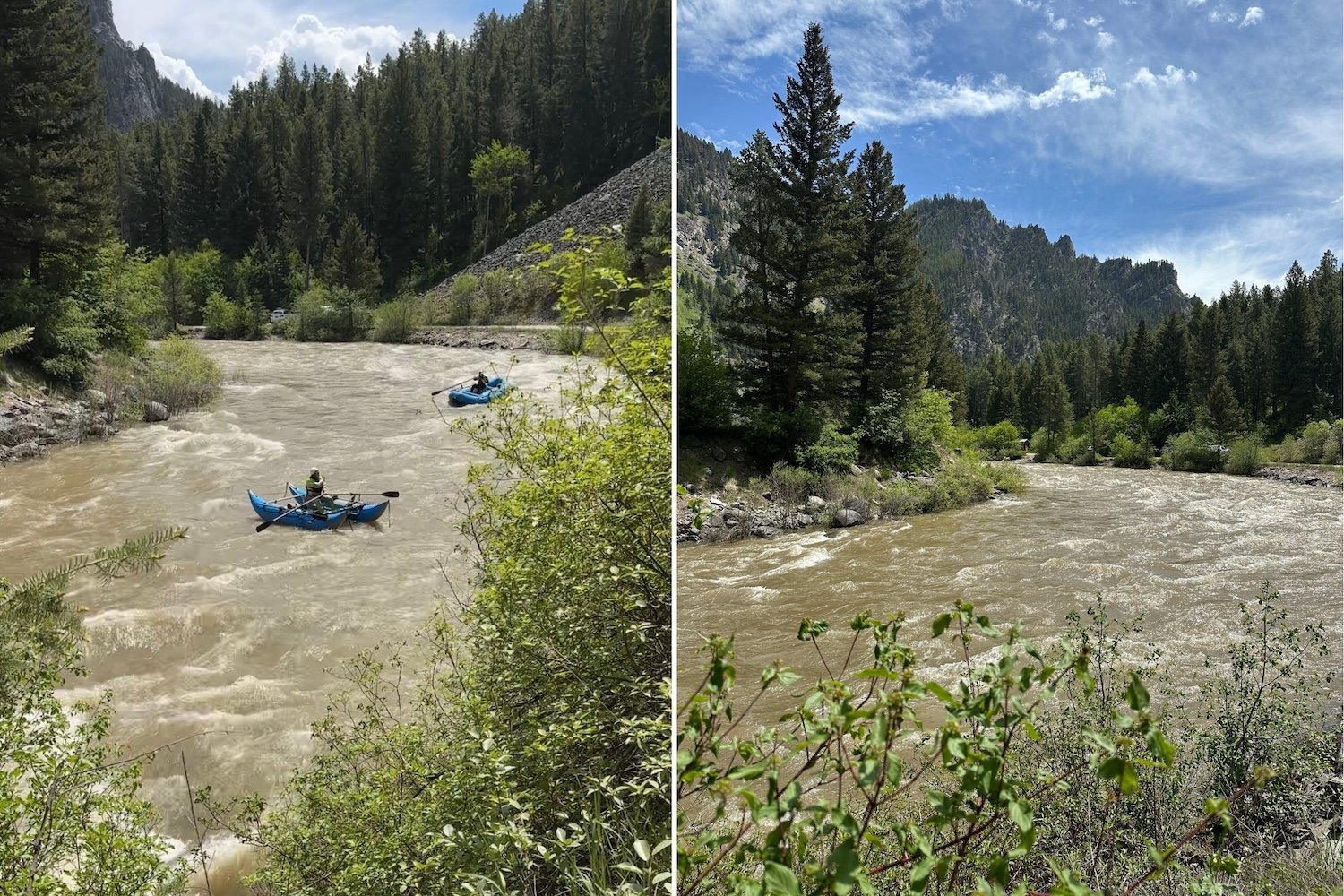
The Gallatin River in Montana is fast, wild, and cinematic in the truest sense — parts of A River Runs Through It were filmed along this very corridor, and one look at this canyon that leads you to Big Sky explains why.
The Gallatin used to haul logs down to the sawmill; now it hauls rafters through towering limestone cliffs and some of the most scenic whitewater in the region. The Gallatin is famous for the Mad Mile, a relentless stretch of continuous Class III–IV rapids widely considered one of the toughest commercial runs in the West, plus features that will happily rearrange your seating chart mid-trip.
- Difficulty: Class I–IV+, depending on section and water level
- Best for: Thrill-seekers, teenagers with something to prove, anyone who's rafted before and wants more
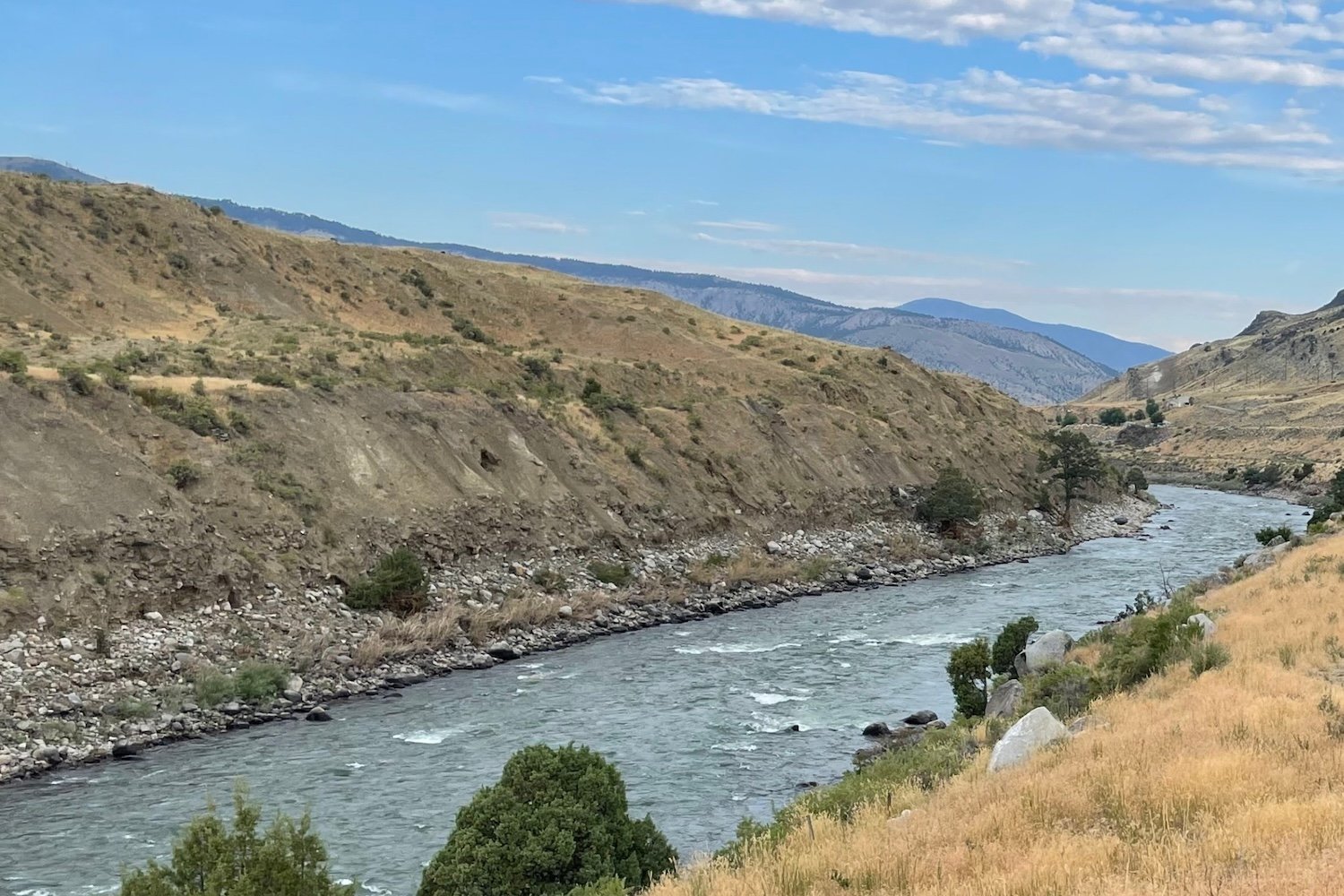
Yellowstone River: Minutes from Yellowstone National Park
For whitewater rafting on the Yellowstone, point your car toward Gardiner and the North Entrance of Yellowstone National Park. (Side note: you cannot raft inside the park boundaries — all the action happens just outside the gate, close enough that you could raft in the morning and be watching Old Faithful by afternoon.)
The Yellowstone is the longest free-flowing river in the Lower 48, and the stretch near Gardiner runs through Yankee Jim Canyon with rapids of delightfully ominous names like Man-Eater, Boonie's Revenge, and Sleeping Giant.
- Difficulty: Class I-III+, making it the friendlier sibling of the Gallatin
- Best for: Families, first-timers, kids as young as 6 (water levels permitting), grandparents who want bragging rights too
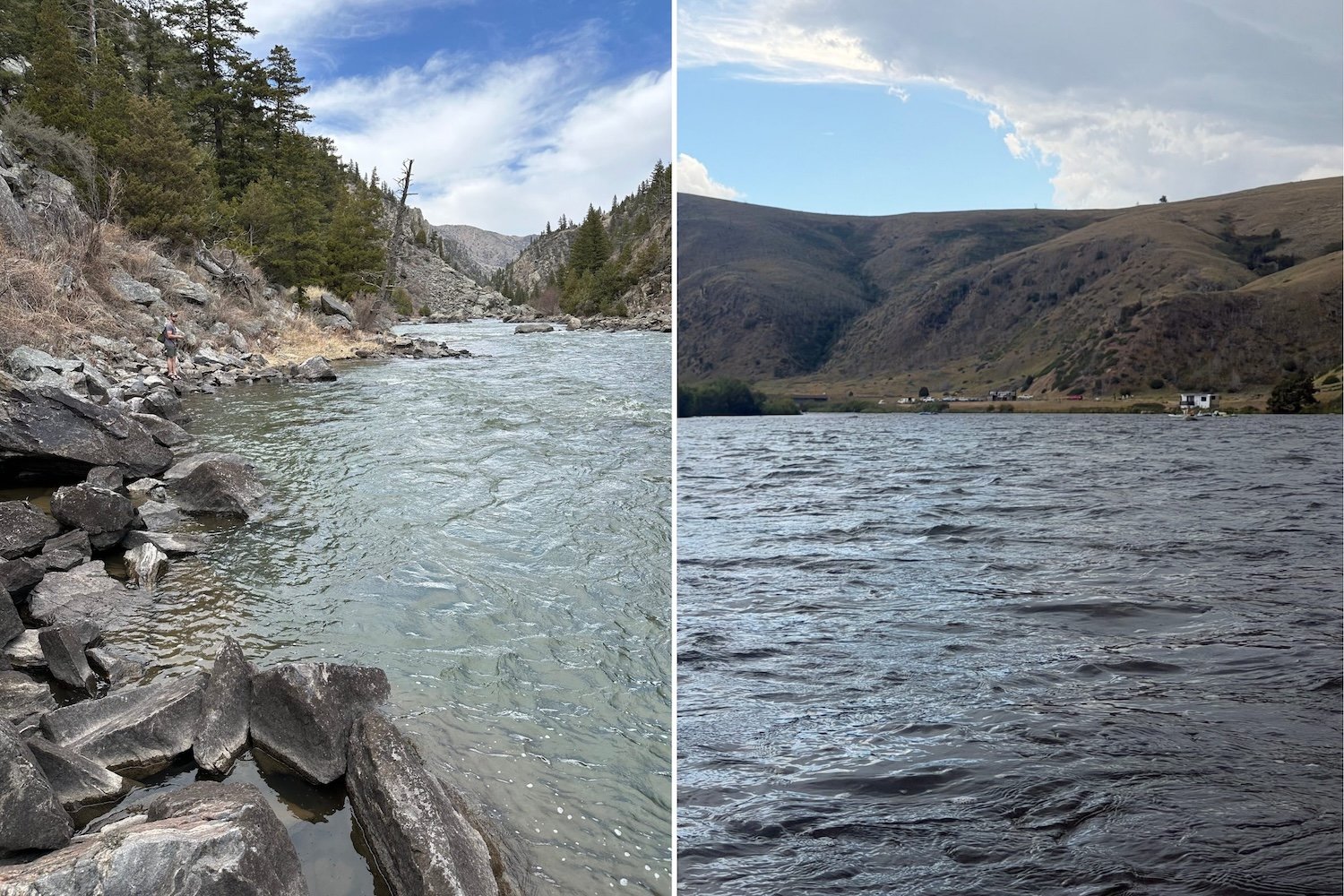
Madison River: The Relaxing Float
Flowing up to join the Missouri, the Madison is Bozeman's easygoing float spot — gentle currents, wide open valley views, and a pace built for kicking back rather than gripping the raft handle. It's also a favorite tubing river once the weather heats up, which tells you everything you need to know about its laid-back personality.
Just know the Madison has a split personality: the stretches closer to Bozeman are about as calm as rivers get, but head down near Ennis into Bear Trap Canyon and the river wakes up fast, with rapids ranging from Class II all the way up to a spicy Class IV+.
- Difficulty: Class I–II near Bozeman; Class I–IV+ in Bear Trap Canyon near Ennis
- Best for: Families with young kids and first-time floaters (upper Madison); thrill-seekers looking for something wilder without leaving the Madison (Bear Trap Canyon)
Know Before You Go
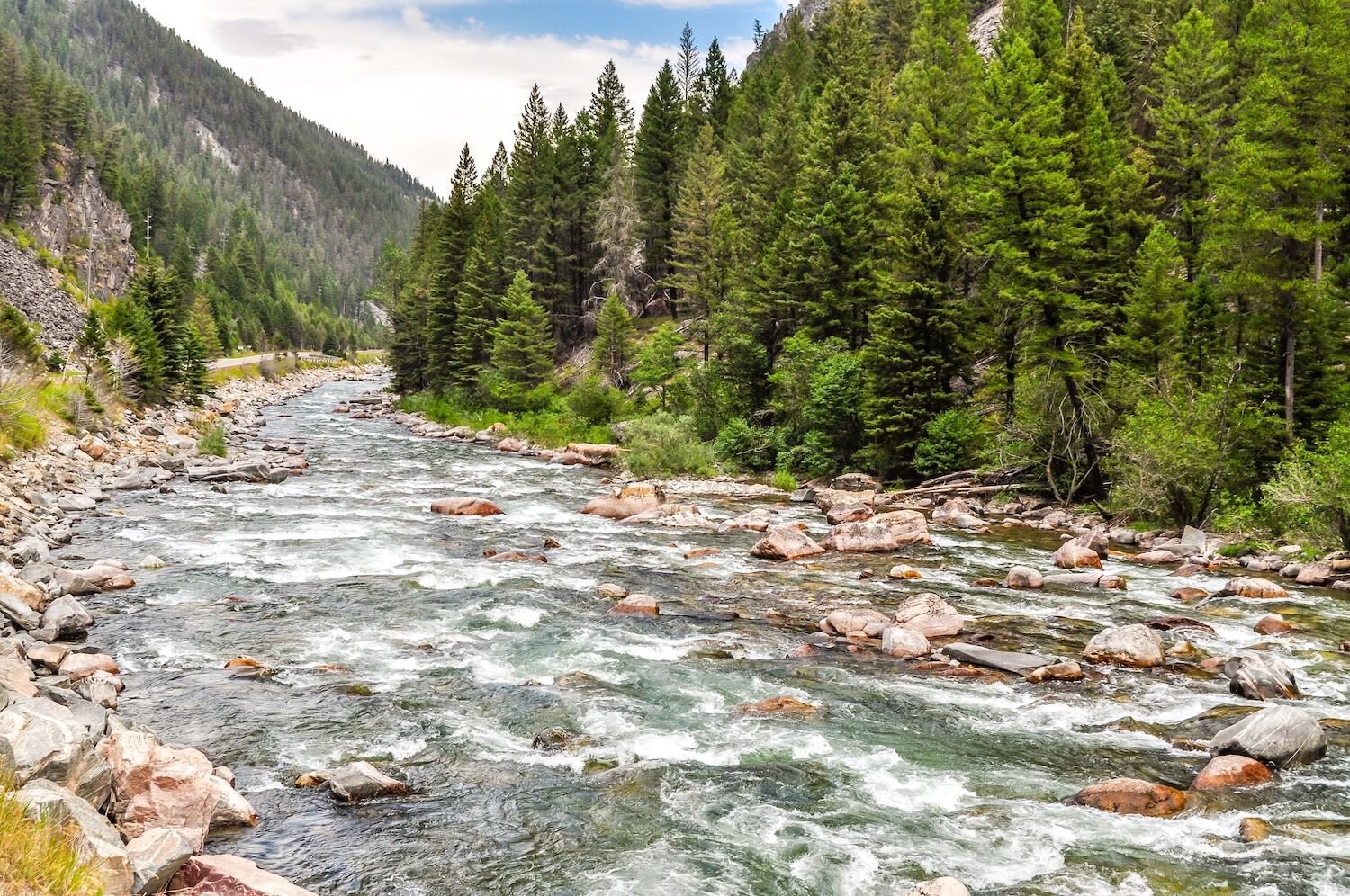
Good whitewater rafting trips in Montana run on timing as much as bravado. Note that most guiding services open mid- to late-May and close mid-September, depending on water levels. Water levels shift dramatically through the season:
- June: Peak snowmelt, peak intensity. The Gallatin is at its angriest and most fun. Water is also brutally cold, so hop in a wetsuit — most outfitters throw these in for free.
- July–August: Water levels mellow out. Still fun, still splashy, slightly less "hold onto the raft for your life."
- September: Rivers run lower and calmer — a nice option if your group leans more scenic-float than adrenaline-junkie.
Rapid classifications matter here too: Class I is a lazy river with pretensions, Class II–III delivers legitimate splashes and fun without requiring a stunt double, and Class III–IV+ is where things get genuinely technical — think 3-to-5-foot waves and rapids that have earned nicknames for a reason.
Where to Hire a Guide
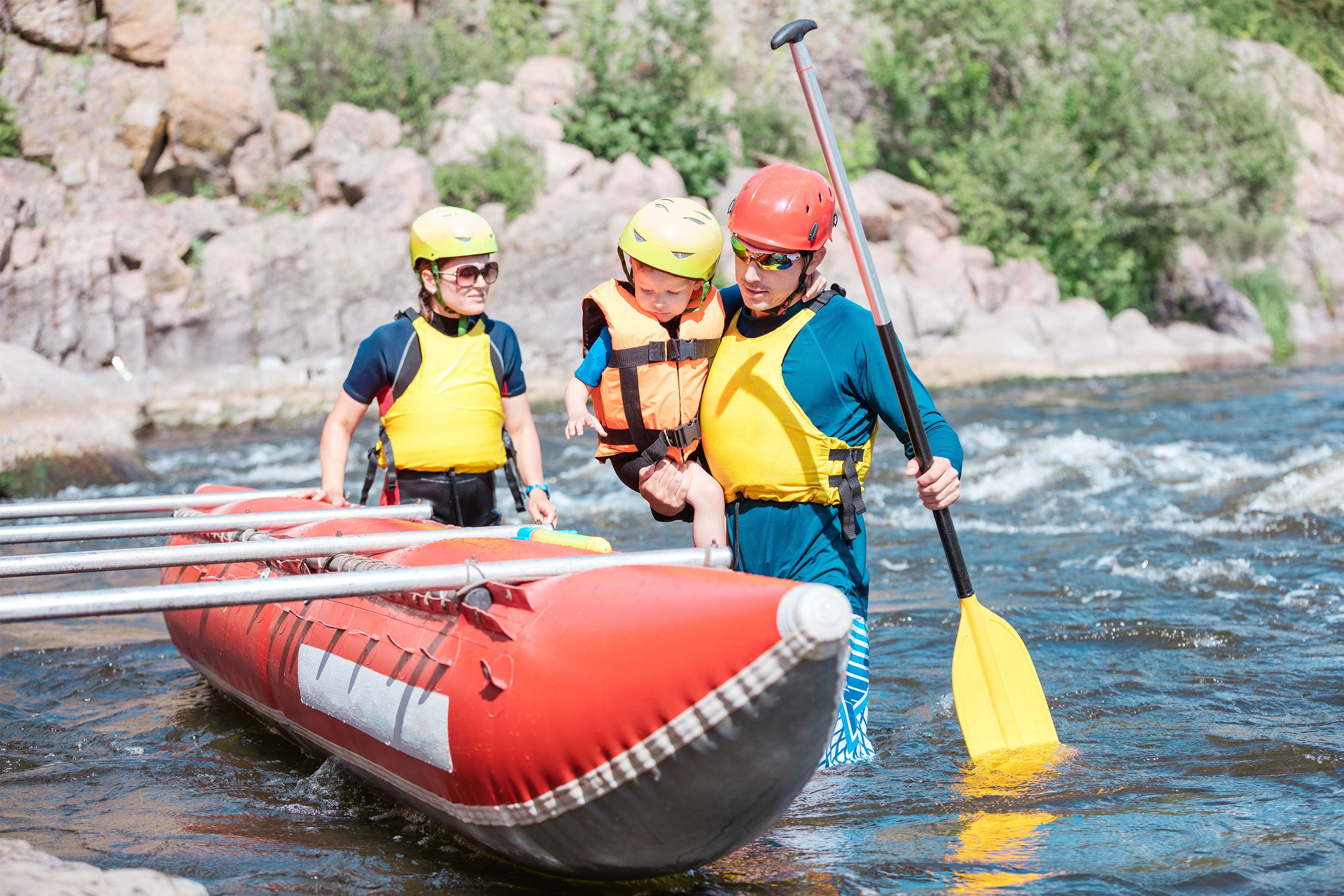
Beginners: hire a guide. This isn't outfitter marketing talk. The Gallatin's canyon walls and the Yellowstone's currents are not the place to freelance your first rafting experience.
Montana Whitewater holds the exclusive permit to guide commercial trips on the Gallatin River, runs trips on the Yellowstone out of a riverfront office in Gardiner, and tosses in complimentary wetsuits, river booties, and splash jackets so you don't show up looking (or feeling) like an amateur.
Other well-reviewed operators worth a look for Yellowstone River trips out of Gardiner include Yellowstone Raft Company (rafting since 1978 — the originals) and Wild West Rafting, both of which offer everything from mellow 2-hour family floats to full-day 18-mile whitewater epics through Yankee Jim Canyon.
Where to Go Kayaking Instead
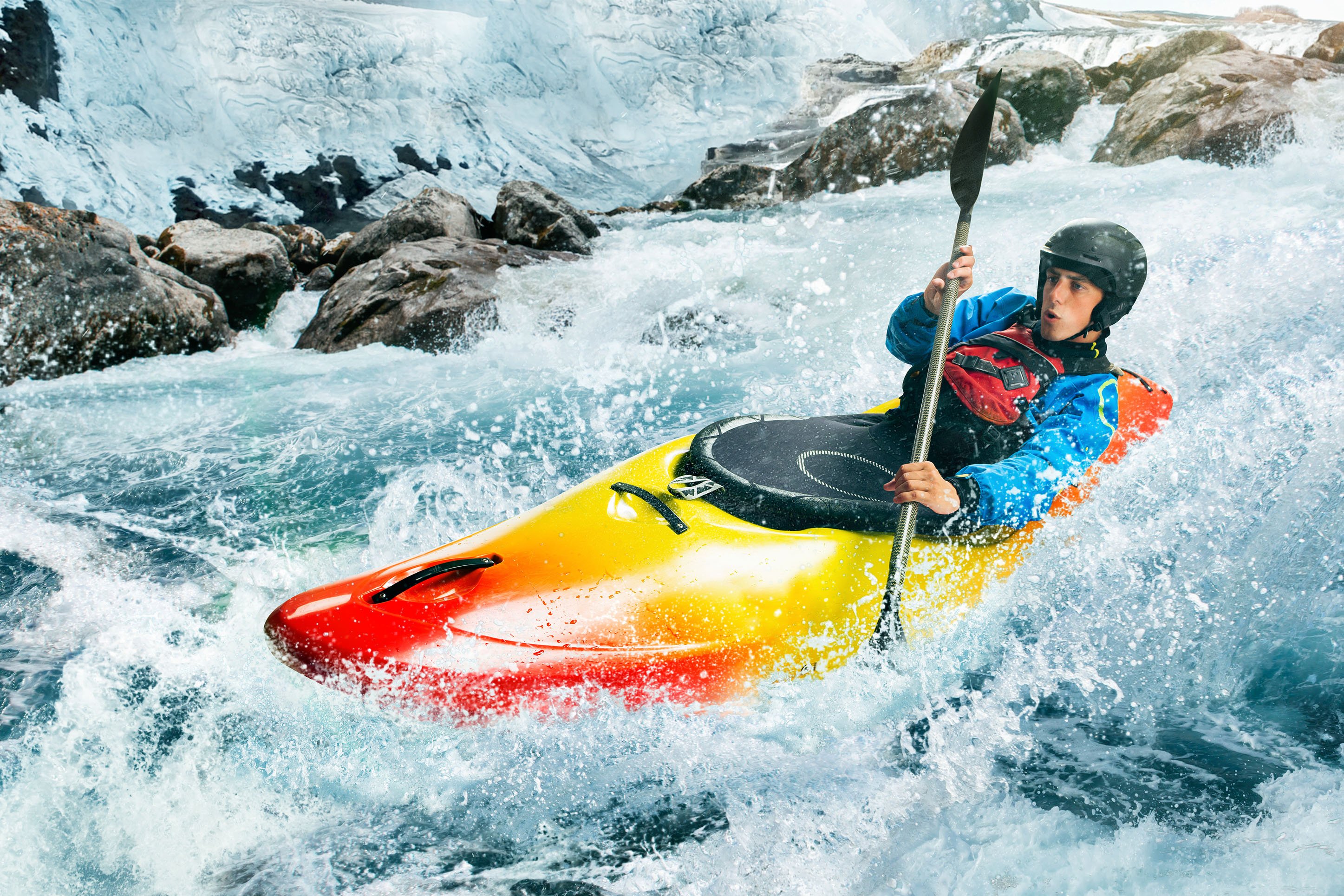
If paddling solo (or getting flipped solo) sounds more appealing than a raft full of screaming relatives, kayaking is very much a thing here too.
River Kayaking
River kayaking around Bozeman ranges from mellow to seriously demanding, so it pays to know which river matches your skill level. It's a fantastic way to engage with the water on your own terms — just make sure your terms match the river's mood.
- Madison River — roughly 183 miles of iconic Bozeman paddling, best tackled with some experience or a guide. If you'd rather leave the navigating to someone else, Bozeman Kayak Company runs guided calm-water kayaking floats on the Madison — a relaxed, scenic way to get on the water without needing whitewater chops.
- Gallatin and Yellowstone Rivers — yes, these are kayak-able too, but come prepared. Both rivers demand solid technical skills, quick reads on continuous rapids, and ideally some local knowledge before you put in. These aren't beginner runs; they're better suited to experienced paddlers comfortable with Class III–IV water. Want the whitewater kayaking experience without going full solo-expert? Montana Whitewater offers guided whitewater kayaking trips on the Gallatin and Yellowstone using duckies — inflatable kayaks built for hands-on, splashy fun. Available as single or double duckies, it's a more personal, engaging alternative to traditional rafting. Yellowstone Raft Company also offers guided half day or full day kayaking trips on the Yellowstone.
Lake Kayaking
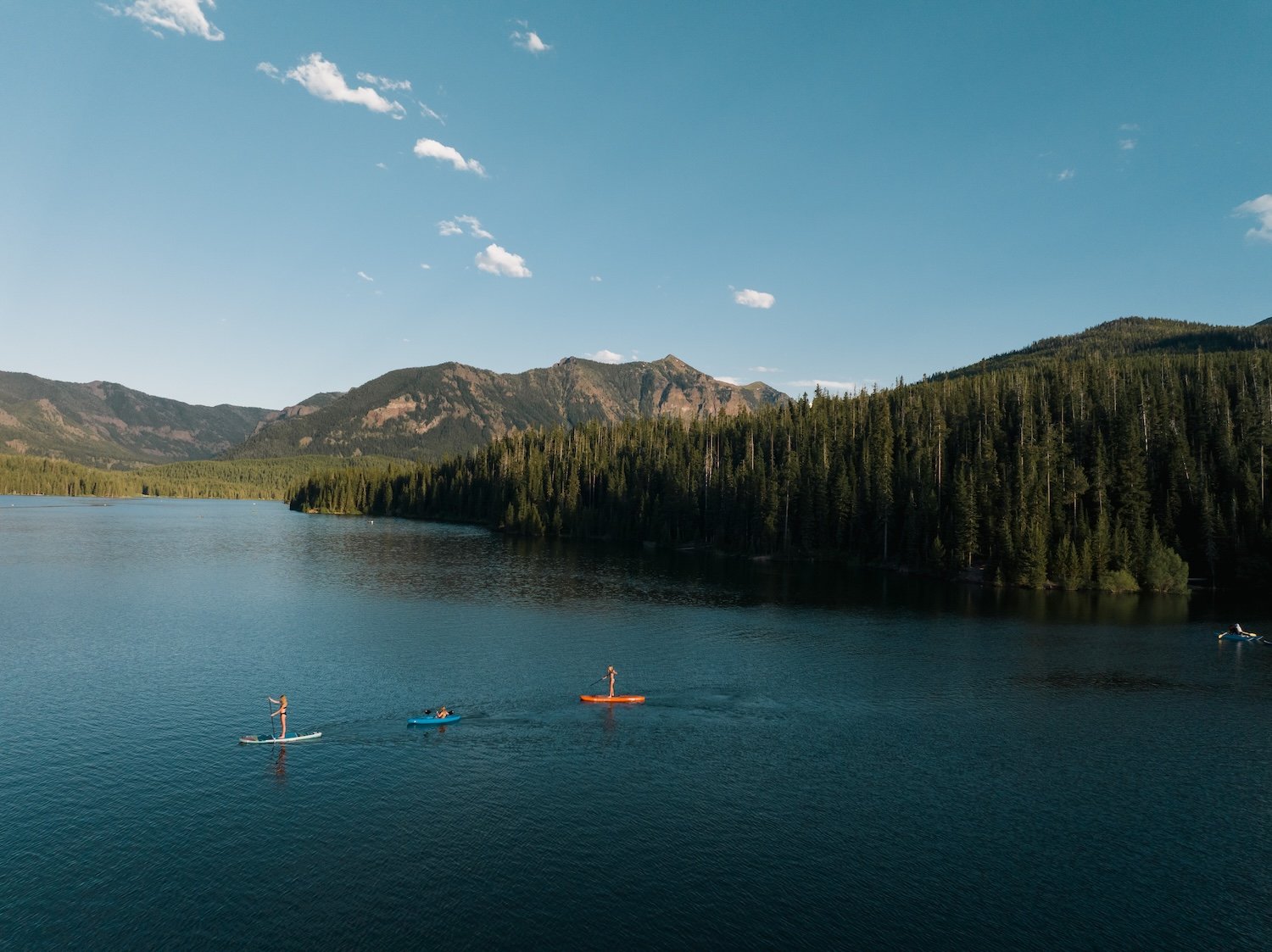
Prefer your paddling without the adrenaline spike? Lake kayaking around Bozeman is the calmer, more "sip coffee while paddling" alternative — flat water, big views, and the freedom to explore the shoreline at whatever pace suits you.
- Hyalite Reservoir — a no-wake policy makes this ideal for beginners, plus campsites and a rentable pavilion nearby
- Cliff and Wade Lakes — roughly two hours out, but the water clarity alone is worth the drive
- Ennis Lake — about an hour away at the base of the Madison Range; check the forecast, as it gets windy fast
Where to Rent Gear
If you're going the DIY route rather than booking a full guided trip, local rental options include:
See You on the River
Whether you want the adrenaline-soaked chaos of the Mad Mile or a mellow float where the biggest decision is whether to nap or watch for eagles, Bozeman whitewater rafting delivers a little bit of everything within a short drive of town. Book a guide, bring a change of clothes, and don't be surprised if you're already planning your next trip before you've dried off from this one.

If you enjoyed this blog, take a look at some of our other related articles: